How to Plan the Ultimate Yoga Adventure in Costa Rica
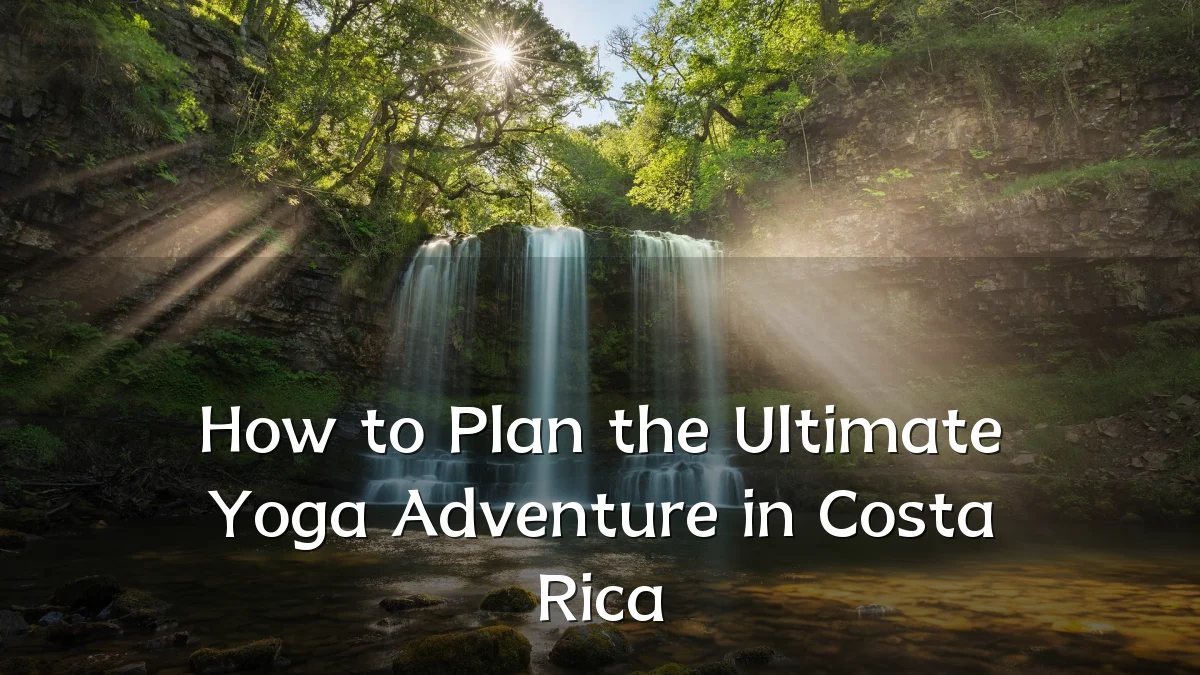
Recent Trends
In the past few travel cycles, Costa Rica has seen a notable rise in wellness-focused itineraries that combine asana practice with outdoor exploration. Retreat operators report that travelers now seek shorter, more immersive stays—typically five to seven nights—rather than open-ended yoga holidays. Multi-activity programs, such as sunrise yoga followed by guided hikes through cloud forests or surf sessions on the Pacific coast, are becoming standard offerings. The trend reflects a broader shift toward active relaxation: guests want physical challenge alongside restoration, not one or the other.

Background
Costa Rica’s appeal for yoga adventure stems from its established ecotourism infrastructure and its legal framework for sustainable tourism, which predates the current wellness boom by decades. Early retreat centers in Nosara and the Nicoya Peninsula began offering yoga alongside surf lessons in the 1990s, setting a template that has since spread to the Osa Peninsula, the Arenal region, and the southern Caribbean coast. The country’s biodiversity—spanning volcanoes, beaches, and rainforests—provides natural variety that supports both introspective practice and active excursions. Language accessibility and relatively short flights from North America have further cemented its position as a go-to destination for this niche.

User Concerns
Travelers planning a Costa Rica yoga adventure commonly face several practical questions:
- Skill level alignment – Many retreats advertise “all levels,” but the physical demands of included excursions can vary widely. Surfing prerequisites or multi-hour hikes may not suit beginners.
- Group size vs. solitude – Larger groups (20+ participants) often mean lower per-person costs but less personalized instruction, while intimate retreats (under 10) tend to fill quickly and command higher rates.
- Seasonal conditions – Green season (May through November) offers lower prices and fewer crowds but brings rain that can disrupt outdoor yoga spaces and muddy trail access. Dry season (December through April) guarantees sun but higher demand.
- True all-inclusives – Some packages exclude ground transfers, equipment rental (surfboards, yoga mats), or national park entry fees, inflating the final cost by 20–30% beyond the listed price.
- Quality of instruction – Certification standards vary across the country; some retreats hire local teachers with 200-hour credentials, while others staff visiting instructors with advanced training. The difference affects both sequencing quality and injury prevention.
Likely Impact
The convergence of adventure and yoga in Costa Rica is reshaping how retreats are marketed and priced. Smaller operators are differentiating by offering micro-retreats with specialized themes—trauma-informed yoga combined with low-impact nature walks, for example—while larger eco-lodges are building dedicated yoga shalas on properties that already offer zip-lining and whitewater rafting. This blurring of boundaries may lead to a two-tier market: budget-friendly, high-activity programmes for younger travelers, and premium, low-ratio retreats for those prioritizing depth of practice. Local communities in gateway towns such as Quepos and Puerto Viejo are likely to see year-round demand, smoothing out the traditional seasonal trough. However, the environmental pressure on popular trailheads and beaches could intensify, prompting stricter visitor caps in protected areas.
What to Watch Next
Several developments will shape how this niche evolves over the next 12 to 18 months:
- Certification transparency – Look for an industry push toward standardised disclosure of teacher credentials and group-to-instructor ratios, possibly driven by online booking platforms that require detailed listings.
- Weather adaptation – Retreats are beginning to build covered, open-air yoga spaces and design backup itineraries for green-season travel. How effectively they communicate these options will influence year-round booking patterns.
- Solo traveler infrastructure – Single-occupancy pricing and dedicated communal dining arrangements are emerging as a differentiator; operators that accommodate solo guests without prohibitive surcharges may capture a growing segment.
- Community-based partnerships – Retreats that incorporate local guides, farm-to-table meals, and indigenous cultural exchanges are attracting repeat visitors. The durability of these partnerships will matter as demand scales.