Ways Modern Yoga Adventure Retreats Are Redefining Wellness Travel
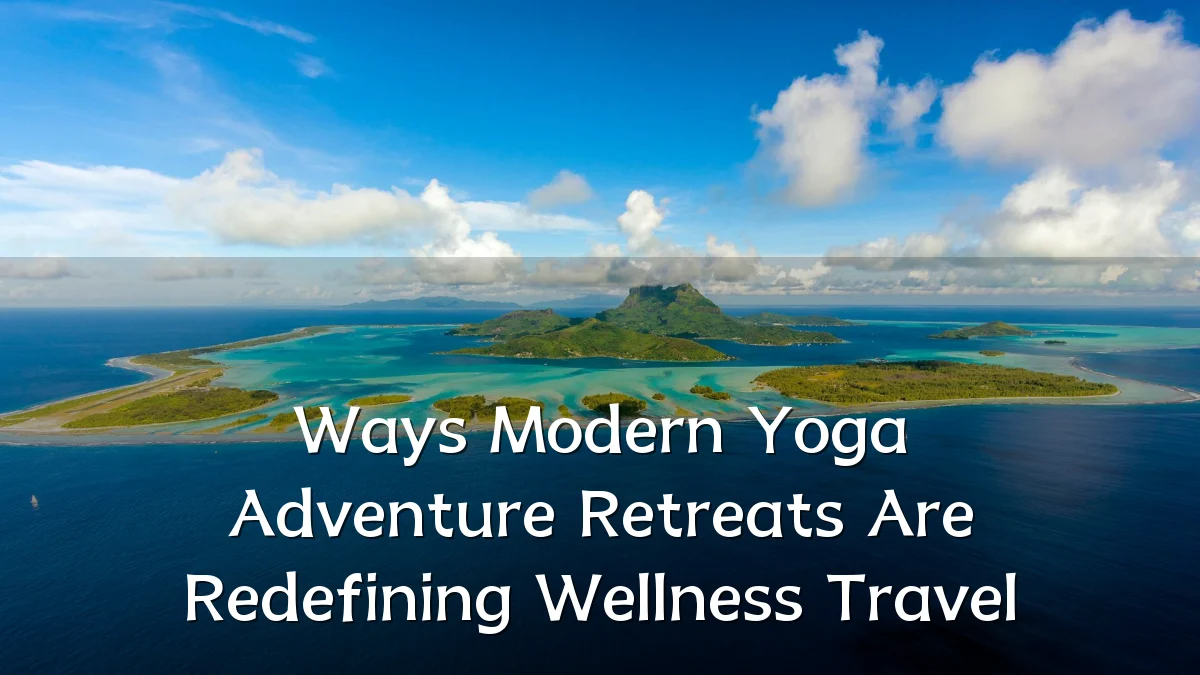
Wellness travel is evolving beyond passive spa days and gentle stretching. A growing number of retreats now combine rigorous physical adventure with meditative yoga practice, creating what industry observers call the “modern yoga adventure.” These programs aim to deliver both exhilaration and inner calm, attracting a demographic that seeks challenge alongside restoration.
Recent Trends in Yoga Adventure Retreats
The most notable shift is the integration of high-intensity outdoor activities—such as mountain trekking, whitewater rafting, or rock climbing—into traditional yoga retreat frameworks. Operators are designing itineraries that alternate between adrenaline-pumping excursions and restorative yoga sessions, often in remote natural settings.
- Multi-activity formats: A single retreat may include sunrise vinyasa, a guided hike, afternoon paddleboarding, and evening meditation. This variety aims to keep participants engaged while balancing effort and recovery.
- Off-grid and wilderness locations: Retreats are increasingly held in locations with limited connectivity, such as desert canyons, coastal cliffs, or forest lodges, to promote digital disconnection.
- Short, intensive packages: Weekend or four-day formats are common, making adventure yoga accessible to travelers with limited time off.
Background – How We Got Here
Yoga retreats have long emphasized stillness and introspection. The adventure component emerged as a response to a broader wellness-travel market that began prioritizing active experiences over passive relaxation. Industry reports indicate that travelers now seek “transformative” trips that physically challenge them while offering mental reset. Traditional retreats began adding single-day excursions, and eventually full adventure itineraries became a distinct category.
Early adopters were small, independent operators in destinations like Costa Rica, India, and Thailand. As demand grew, larger wellness brands and luxury hotels started offering adventure-yoga hybrids. The trend accelerated after travelers who had embraced outdoor fitness during the pandemic looked for ways to continue that active lifestyle in a structured, group setting.
User Concerns and Considerations
Prospective participants face several practical decisions when choosing a modern yoga adventure retreat. Clear information about physical demands, safety protocols, and skill prerequisites is not always consistent across operators.
- Skill-level matching: Many retreats market themselves as “all levels,” but specific activities may require baseline fitness. It is advisable to confirm the intensity of each activity and whether modifications are available.
- Safety and instruction quality: Adventure activities carry inherent risks. Reputable retreats employ certified guides and ensure proper equipment. Travelers should ask about instructor credentials and emergency plans.
- Cost vs. value: All-inclusive adventure yoga retreats typically range from lower to higher price brackets depending on location, accommodation, and activity complexity. Comparing what is included—meals, gear, transfers—helps avoid unexpected expenses.
- Authenticity concerns: Some critics argue that adding adventure dilutes the meditative essence of yoga. Others counter that mindfulness in motion can deepen practice. Participants should reflect on their personal goals before booking.
Likely Impact on Wellness Travel
The rise of yoga adventure retreats is reshaping broader wellness travel in several ways. First, it is normalizing physical challenge as a legitimate component of well-being, not separate from relaxation. Second, it encourages retreat operators to adopt more sustainable practices, as remote locations often require low-impact travel and waste reduction. Third, the group dynamic of shared adventure fosters community bonds that extend beyond the retreat, increasing repeat bookings and referrals.
For the travel industry, these retreats represent a new product category that attracts a younger, more active demographic than traditional spa-based wellness trips. Hotels and resorts in adventure-friendly regions are beginning to offer in-house yoga-adventure packages rather than outsourcing to third-party operators.
What to Watch Next
Several developments are likely to influence the evolution of modern yoga adventure retreats in the near term.
- Hybrid formats: Expect more retreats that blend multiple movement disciplines—such as yoga and martial arts or yoga and dance—alongside adventure activities.
- Technology integration: While off-grid retreats remain popular, some operators are introducing wearable fitness tracking or guided meditation apps that guests can use during solo excursions, then review together.
- Longer-duration programs: As the concept matures, week-long or multi-week immersions that include advanced certifications (e.g., yoga teacher training combined with wilderness first aid) may become more common.
- Accessibility expansion: More retreats are offering adaptive adventure options for participants with limited mobility or chronic conditions, broadening the market.
Ultimately, the modern yoga adventure retreat appears to be more than a passing trend. It reflects a sustained shift in how travelers define wellness—not as a static state, but as an active, evolving practice that includes both effort and ease.