Virtual Yoga Safaris: Exploring Global Landscapes From Your Mat
Recent Trends in Immersive Practice
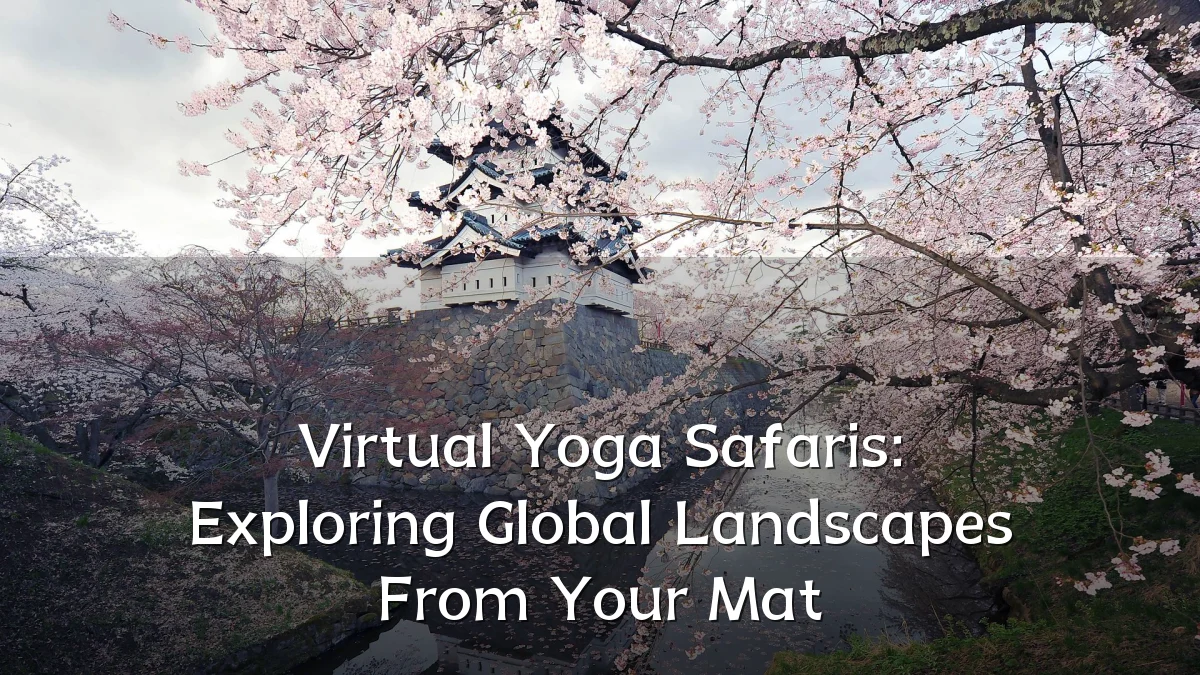
Over the past few years, online yoga platforms have begun layering landscape visuals and ambient location sounds into live and recorded sessions. This approach, often marketed as “virtual yoga safaris,” combines guided movement with curated nature backdrops—from African savannahs to Himalayan foothills. Providers have reported increased engagement during sessions that shift background scenery every few minutes, suggesting users value novelty alongside instruction.
Background of the Concept
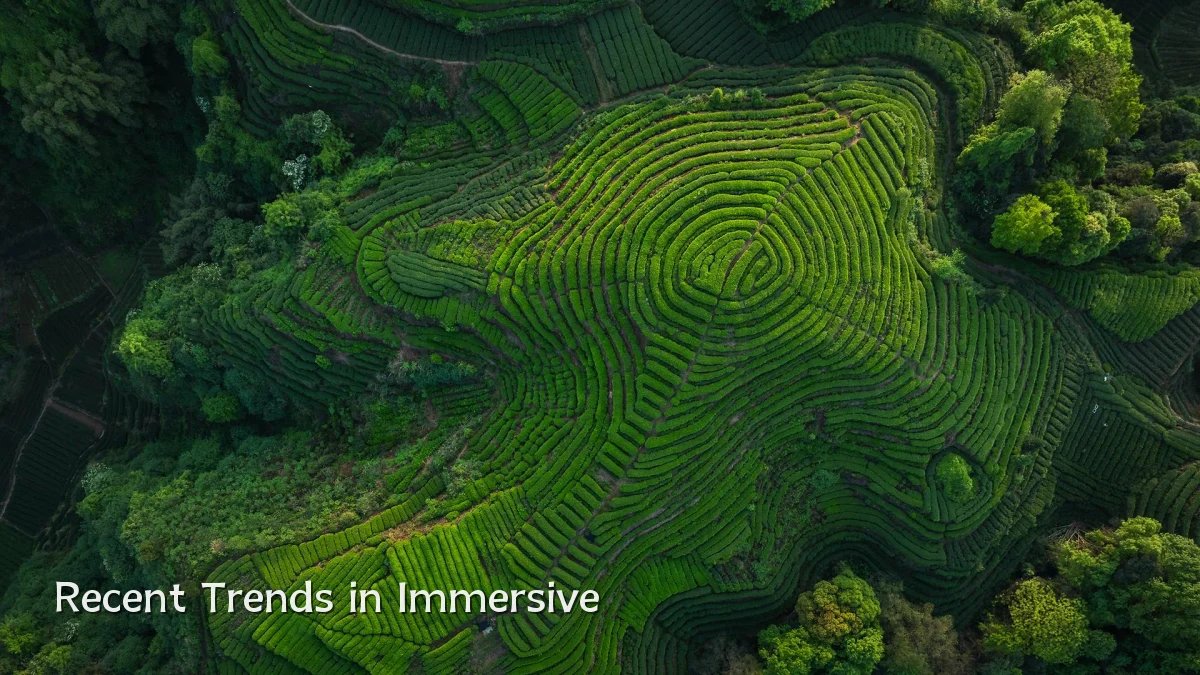
Traditional yoga retreats have long offered destination-based practice, but high costs, travel logistics, and time constraints limited access. The pandemic accelerated the adoption of virtual classes, and developers soon saw an opportunity to simulate the retreat experience. Early experiments used static images; more recent versions incorporate drone footage, real-time streaming from remote cameras, and algorithmic transitions between biomes. The concept remains niche but is growing among learners who want variety without leaving home.
User Concerns and Practical Considerations
- Internet reliability: High-definition landscape streams require stable bandwidth, which can be inconsistent in rural or congested areas.
- Screen fatigue: Staring at changing visuals for 30–60 minutes may distract from breath and alignment cues for some practitioners.
- Authenticity vs. simulation: Users question whether pre-recorded or algorithmically generated landscapes provide the same grounding effect as an actual outdoor practice.
- Cost vs. value: Subscription rates for curated safari-style classes typically sit higher than standard online yoga libraries, yet they remain below a single in-person retreat day.
- Accessibility: Not all users have VR headsets or large screens, and mobile devices may not capture the intended immersive quality.
Likely Impact on Online Learners
For learners who primarily practice at home, virtual yoga safaris may reduce boredom and rekindle motivation. Early adopters report using them as occasional “special sessions” rather than daily practice. Studios that adopt this model may attract new demographics—travel enthusiasts, nature lovers, and those seeking mental escape. However, reliance on passive visual stimuli could weaken mind-body connection if instructors fail to integrate the landscape cues into verbal guidance. The format also challenges traditional teacher-student intimacy, as the backdrop becomes a co-star.
What to Watch Next
- Real-time integration: Partnerships with live camera feeds from national parks or wildlife reserves could increase authenticity and spontaneity.
- Adaptive environments: Algorithms that adjust scenery based on user mood, heart rate, or preferred biome (desert, forest, ocean) may emerge.
- Hybrid retreat models: A blend of virtual landscape sessions and occasional in-person gatherings at filmed locations could bridge the gap between online and offline experiences.
- Research on efficacy: Studies comparing stress reduction, focus, and retention between safari-style and plain-studio virtual classes will likely influence adoption and pricing.
- Regulation of immersive content: As the lines between yoga instruction and nature entertainment blur, industry standards for cueing and safety during visually rich sessions may develop.