Discover the Ultimate Yoga Adventure Guide: Top Destinations for Mindful Travel

Recent Trends in Mindful Travel
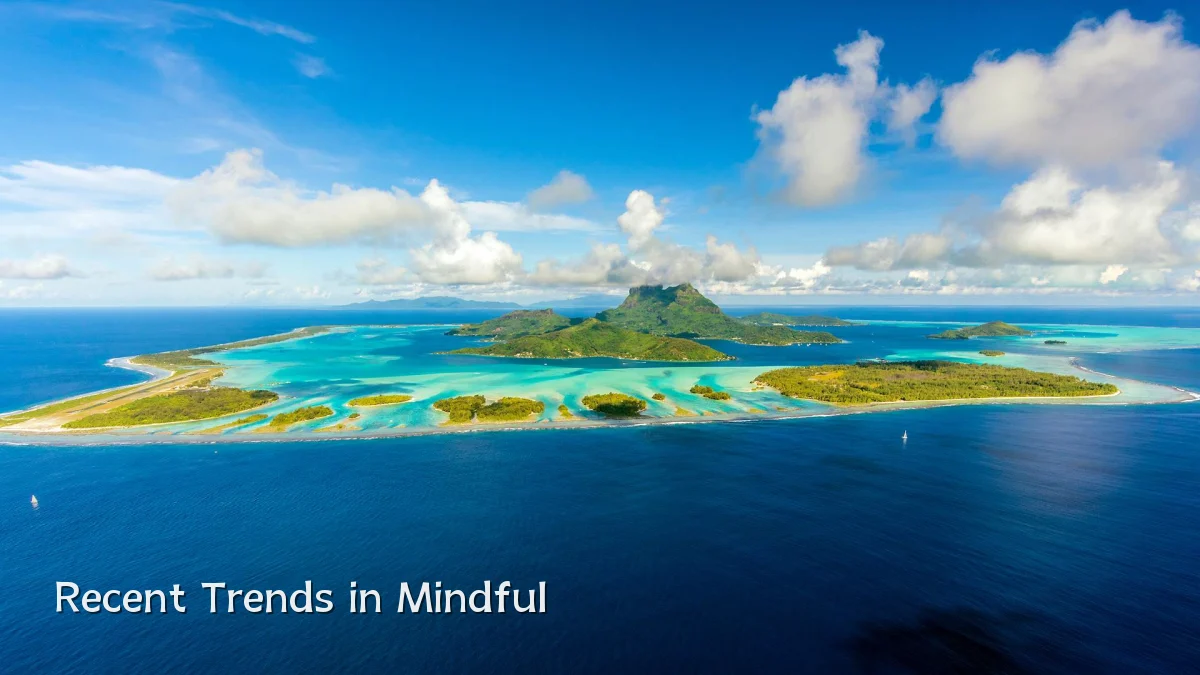
Over the past few years, the concept of yoga adventure guide travel has shifted from a niche wellness retreat model to a broader, experience-driven category. Travelers increasingly seek destinations that combine physical activity with mental restoration—hiking to remote shalas, practicing sunrise vinyasa on coastal cliffs, or meditating in ancient forests. Digital platforms now curate "adventure" itineraries that include multi-day treks, eco-lodges, and local cultural immersions, often led by certified yoga instructors. Social media has amplified interest in off-the-beaten-path locations that promise both solitude and challenge.
Background: How Yoga and Adventure Converged
Traditional yoga retreats focused on studio-based practice and spa amenities. The adventure segment emerged as participants wanted more than passive relaxation—they wanted to move through landscapes while deepening their practice. This hybrid attracts a demographic that values physical exertion, cultural authenticity, and sustainability. Popular regions include:
- Mountain environments (e.g., the Himalayas, Andes, or Alps) for altitude-based practices and trekking.
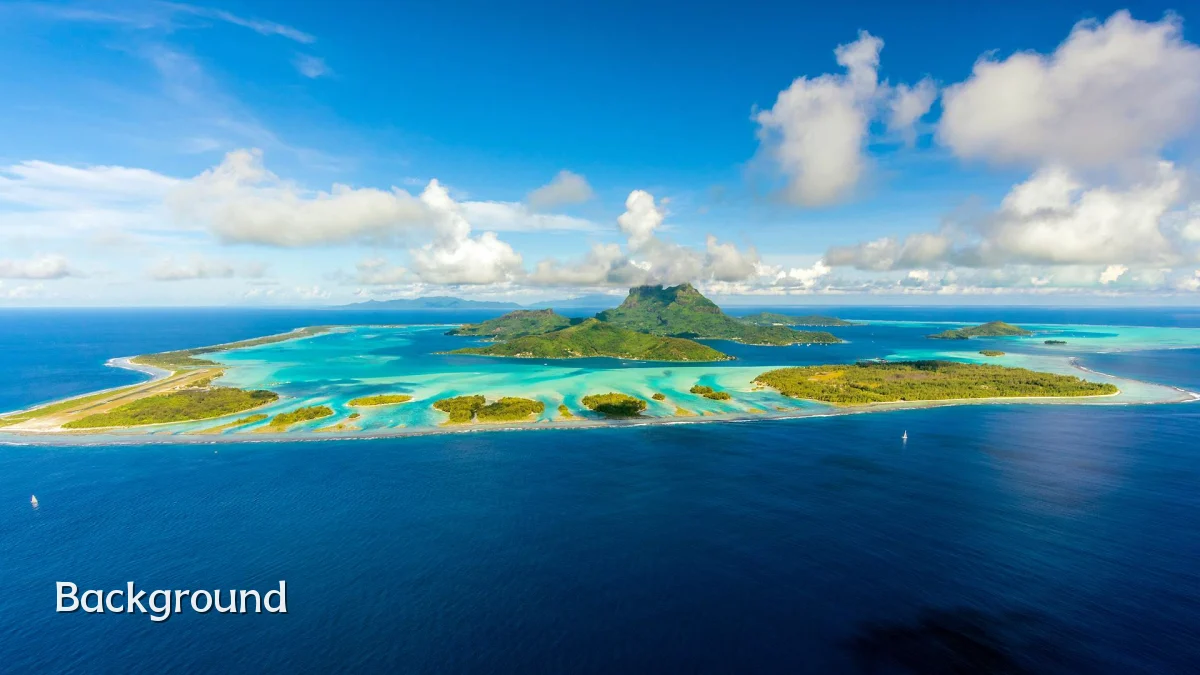
- Coastal and island areas (e.g., Bali, Costa Rica, Greece) for beach-side sessions and water activities.
- Desert and forest biomes for sunrise/sunset sequences and nature-immersion meditation.
Destinations often require basic fitness and a willingness to adapt to local conditions, such as limited electricity or rustic accommodation.
User Concerns: Safety, Accessibility, and Authenticity
Prospective travelers frequently ask: Is the guide qualified? Can I join as a beginner? Will the experience feel like a packaged tour or genuine exploration? Key considerations include:
- Instructor credentials – Look for certified teachers with first-aid training and local knowledge.
- Group size and terrain difficulty – Small groups (8–12) allow personalized attention; moderate trails suit most fit travelers.
- Cultural respect and environmental impact – Responsible operators work with local communities and minimize waste.
- Insurance and cancellation policies – Adventure travel carries inherent risks; check coverage for activities like hiking or water sports.
Transparency in itineraries and realistic descriptions of physical demands reduces mismatch between expectations and reality.
Likely Impact on the Travel and Wellness Industries
The rise of yoga adventure guides is influencing how both sectors market themselves. Traditional hotel chains now add "wellness trek" packages; boutique retreat centers partner with local guides for exclusive access to hidden spots. Economic benefits spread to rural areas that may lack conventional tourism infrastructure. Meanwhile, established yoga teacher training programs increasingly include outdoor leadership modules. The trend also pressures operators to adopt sustainable practices—single-use plastics are discouraged, and carbon-offset options are becoming standard.
Consumer spending on this style of travel tends to be mid-to-premium range, with costs varying widely by location and duration. A typical 5–7 day adventure retreat might cost between several hundred and a few thousand dollars, depending on accommodation level, included meals, and guide expertise.
What to Watch Next
Several developments could shape the yoga adventure guide landscape in the near term:
- Regulation and certification – More destinations may require formal safety or eco-certification for adventure yoga operators.
- Technology integration – Apps for route planning, real-time weather updates, and digital detox features could become standard.
- Climate and seasonality shifts – Traditional high-season windows (e.g., dry months) may widen or shift; travelers should research optimal windows.
- New destination emergence – Lesser-known regions in Africa, Southeast Asia, and South America are being explored for remote, off-grid yoga adventures.
Travelers seeking the ultimate mindful adventure should prioritize operators that communicate openly about risks, environmental ethics, and the genuine cultural exchange beyond the yoga mat.