Unique Yoga Adventure Ideas for Thrill-Seeking Yogis

Recent Trends in Adventure Yoga
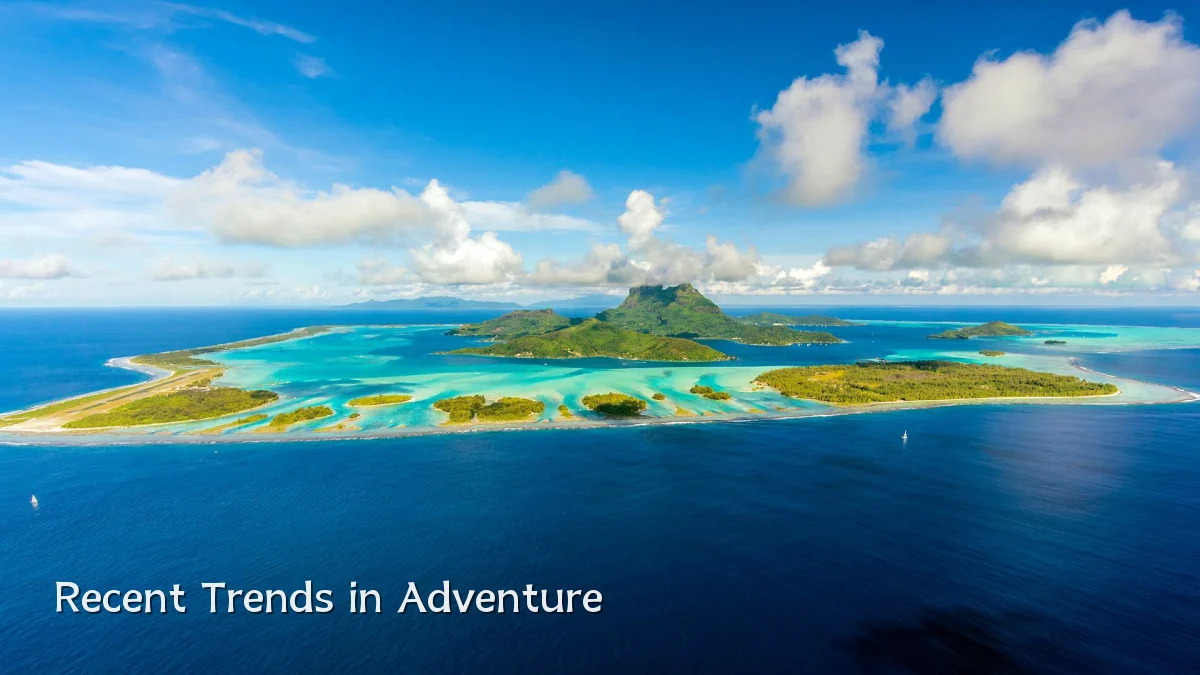
In the past few years, yoga practitioners have increasingly sought experiences that combine physical challenge with outdoor exploration. Rather than static studio sessions, travelers and locals alike are blending asanas with activities such as rock climbing, whitewater rafting, and backcountry skiing. Retreat organizers report that packages featuring a mix of adrenaline and mindfulness are among the fastest-growing bookings, especially for younger demographics and seasoned yogis looking to break routine.
Common themes include:
- Cliffside or mountaintop sessions where the setting itself requires a short hike or scramble.
- Yoga sequences interspersed with high-energy sports like surfing, mountain biking, or paddleboarding.
- Multi-day expeditions that combine trekking with daily yoga practice at altitude or in remote camps.
Background: From Studio to Summit
Yoga’s origins emphasize connection to nature and inner awareness, but modern studio culture sometimes limits that connection to an indoor space. Adventure yoga emerged as a natural extension of the broader “wellness tourism” trend, which gained traction around a decade ago. Early adopters were often experienced climbers or paddlers who integrated yoga for flexibility and recovery. Over time, dedicated adventure yoga retreats appeared, offering guided programs that balance risk management with the freedom of outdoor practice.
Key drivers include the rise of social media showcasing dramatic poses on scenic cliffs, a cultural shift toward experiential travel, and growing evidence that outdoor exercise boosts mental health. However, the niche remains small relative to mainstream yoga, with most operators emphasizing safety briefings and backup plans for sudden weather changes.
User Concerns and Considerations
Thrill-seeking yogis face several practical and safety-related questions when choosing such trips:
- Skill prerequisites: Many programs require at least intermediate yoga ability and a baseline fitness level for the adventure component. Beginners often need separate introductory courses.
- Risk and liability: Outdoor settings introduce variable terrain, wildlife, and weather. Reputable providers carry insurance, require waivers, and have emergency protocols. Participants should confirm instructor certifications and group size limits.
- Equipment and logistics: Some activities (e.g., ice climbing, whitewater kayaking) demand specialized gear, which may be provided or rented. Travel to remote locations adds cost and complexity.
- Physical recovery: High-intensity adventure combined with deep stretches can strain muscles. Scheduling rest days and listening to one’s body is crucial.
Likely Impact on the Yoga and Adventure Travel Industries
The fusion of yoga with extreme sports could reshape both sectors in measurable ways. For yoga studios, offering outdoor adventure retreats becomes a way to retain engaged students and generate higher-margin products. For adventure tour operators, adding yoga components differentiates their packages in a crowded market, appealing to wellness-oriented travelers who might otherwise choose a dedicated yoga holiday.
Potential downstream effects include:
- Increased demand for instructors trained in both outdoor leadership and yoga teaching.
- Development of insurance products tailored to adventure yoga classes.
- Growth of lightweight, packable yoga mats and clothing designed for rugged environments.
- More rigorous academic research on the physiological and psychological outcomes of combining cardiovascular challenge with meditative movement.
What to Watch Next
Several developments could define the next phase of adventure yoga:
- Standardized safety guidelines: As the niche grows, expect industry bodies (e.g., Yoga Alliance, American Mountain Guides Association) to publish best-practice recommendations for risk assessment and instructor credentials.
- Technology integration: Wearable devices that track heart rate, oxygen levels, and body temperature—especially in high-altitude or water-borne settings—may become common tools for personalizing practice intensity.
- Tiered offerings: Operators are likely to create clear difficulty ladders, from “beginner-friendly hike and stretch” to “advanced multi-sport expedition,” to avoid mismatched expectations.
- Environmental stewardship: Adventure yoga heavily relies on pristine natural settings; responsible travel practices and carbon offset programs will become a selling point, not just an afterthought.
For now, the category remains dynamic and largely grassroots. Thrill-seeking yogis who monitor emerging itineraries and vet providers carefully can find experiences that genuinely combine challenge and calm—without losing the essential principles of yoga.